2nd April, 1891 (Bruehl, Germany) – 1st April, 1976 (Paris, France)
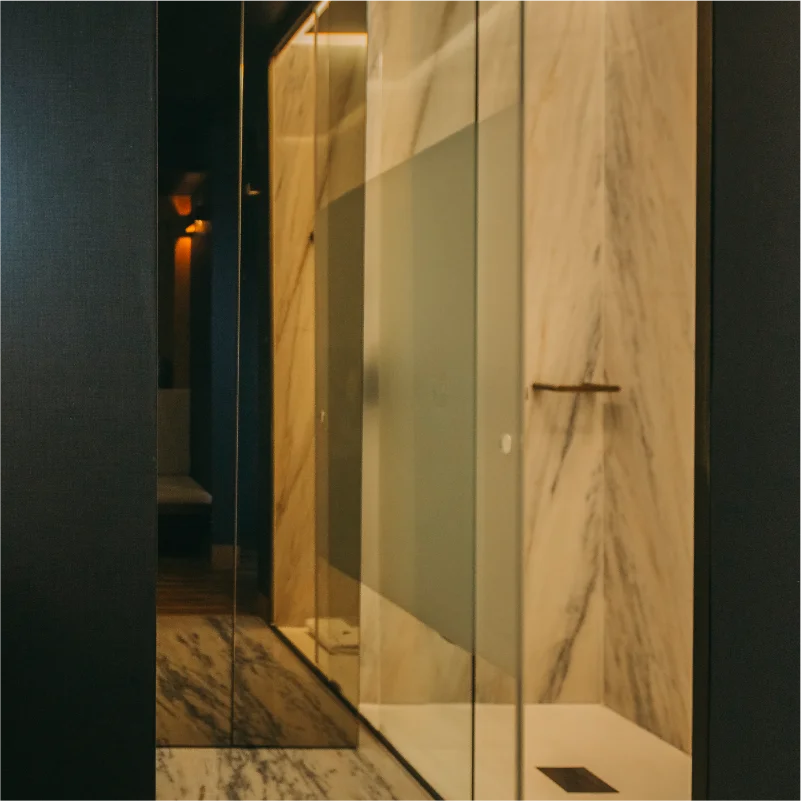
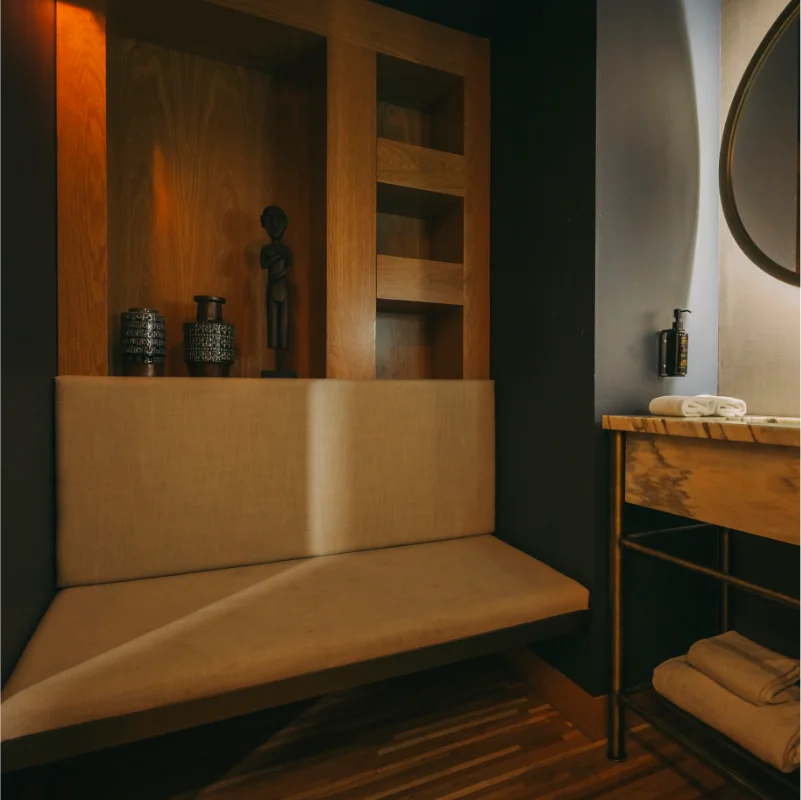
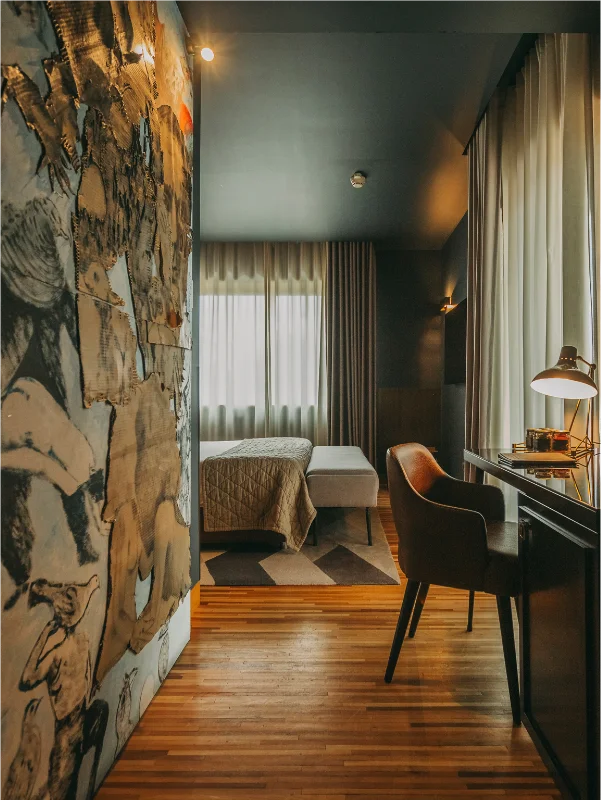
We pay tribute to Max Ernst through a very masculine hotel room.
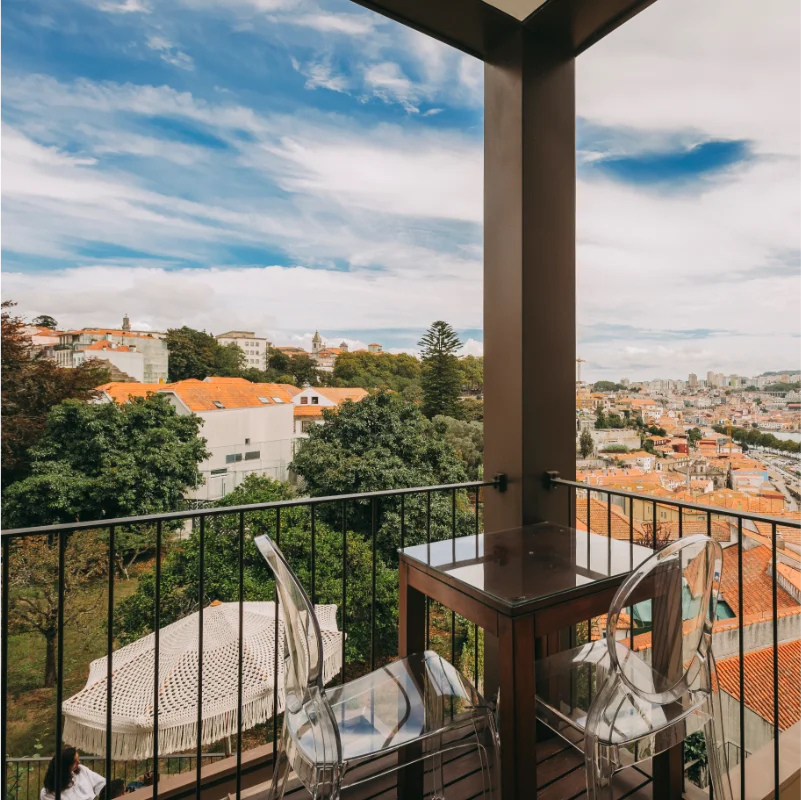
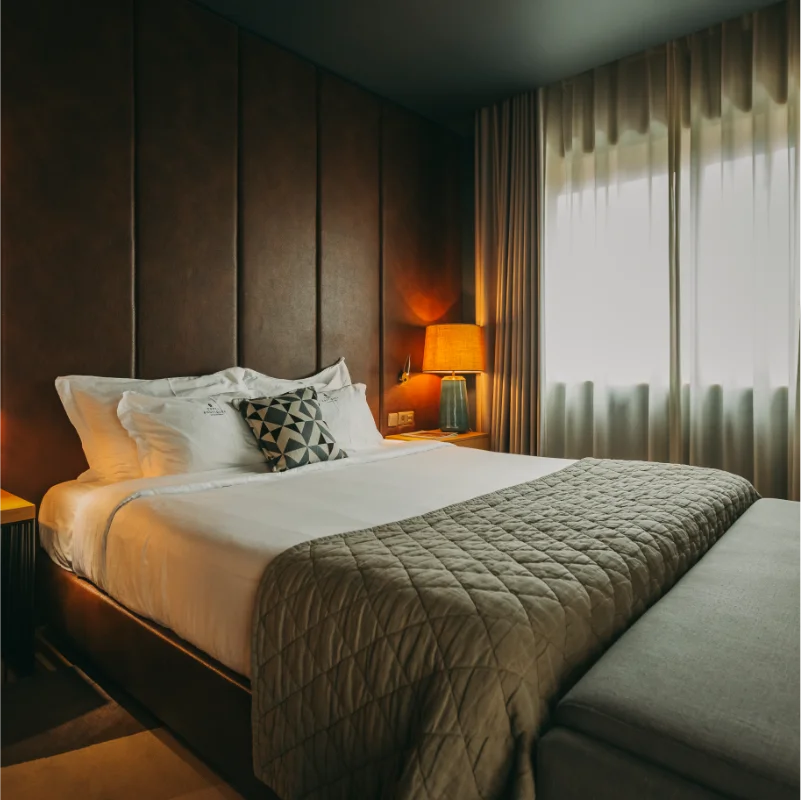
In this Executive Deluxe room, with a double bed and a balcony overlooking the Douro, references to Ernst include the dark brown headboard made of leather, a symbol of war and, consequently, of its trauma.
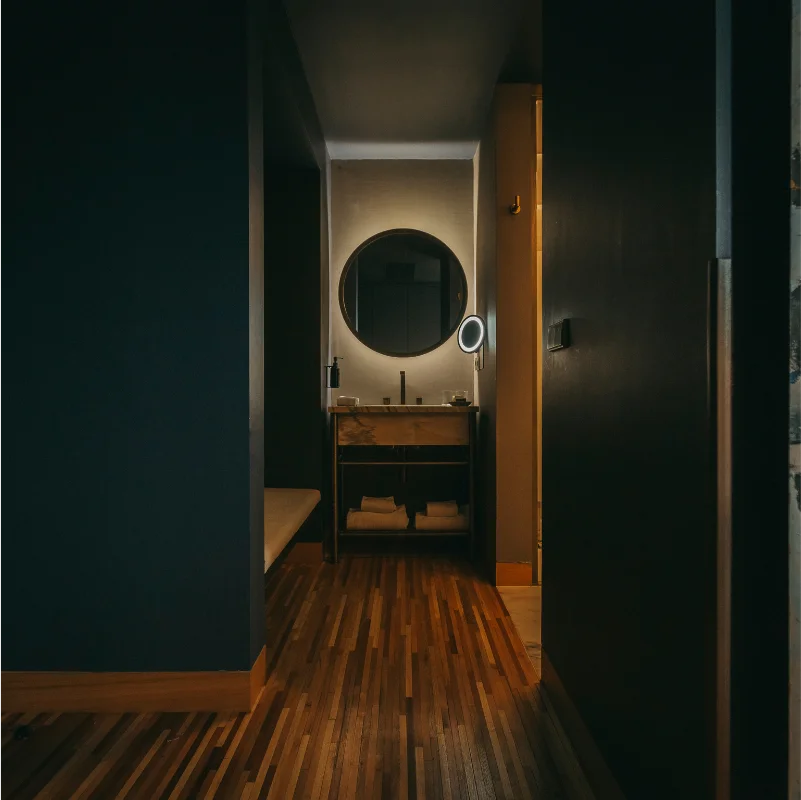
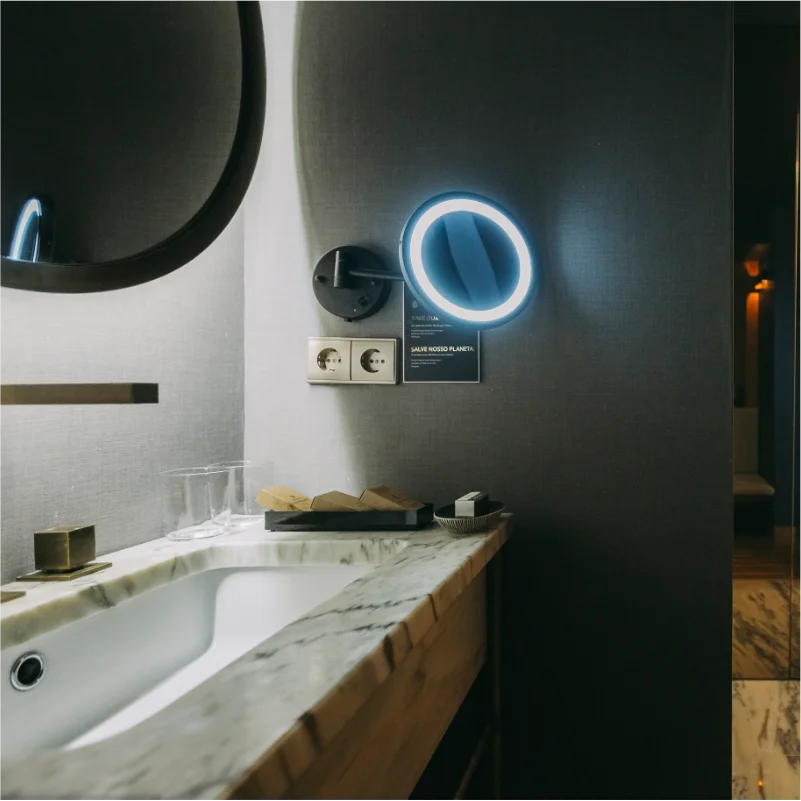
The room’s shades of blue cannot be missed, a reference to the sky, which is always present in his works.
Offer of Nespresso Coffee and Water throughout the Stay
About The Artist...
Max Ernst Was An Innovative Painter And A Shocking Provocateur.
Ernst taught himself to paint while studying Philosophy and Psychiatry at the University of Bonn.
As a soldier in World War I, Max Ernst emerged deeply traumatized and highly critical of Western culture. With him, he carried the traumas of war, which fed his vision of the modern world as an irrational world. This sad and pessimistic idea of the irrational modern world was reflected in all his works and, together with his humor, became the basis of his surrealist and Dada art, of which he was a pioneer.
Some of His Main Works:
This is the Hat that Makes the Man
Portrait of Eluard The Fall of the Angel Unstable Woman The Heavenly Army
Artistic Movements: Surrealism, Dadaism, Expressionism, Cubism, Naive Art, Modern Art, Metaphysical Art
“Art has nothing to do with taste. Art is not there to be tasted.” – Max Ernst